Rear Extension

More Space, Better Living

A rear extension in London is one of the most effective ways to add living space to your home by extending the back of your property. Whether you are planning an open-plan kitchen diner, a larger family living area, or a better connection to your garden, a rear house extension can transform how you use your ground floor. For terraced, semi-detached, and detached homes across London, a well-designed rear extension improves daily life while adding long-term value to your property.

Why Choose a Rear Extension in London?

A rear extension in London is the most popular type of house extension because it works with almost every property type. It can be used to open up a narrow kitchen, create a spacious dining area, or establish a seamless indoor-outdoor connection with your garden through large glazed openings.

The right approach depends on your property and how you want to live. A simple rear extension can add depth to your ground floor, while a wraparound design can combine rear and side return space for maximum impact. Whether you need more room for family life, better natural light, or a modern open-plan layout, a rear extension delivers practical results without the disruption of moving.

We help you assess your options, navigate planning requirements, and develop a design that suits your home, your budget, and the way you live.

Planning and design

Designing a rear extension starts with understanding your property, the available garden space, and what you want to achieve. Whether it is a straightforward 3-metre rear extension under permitted development or a larger scheme requiring full planning permission, the approach will vary depending on your property type, local planning policy, and the relationship with neighbouring properties. We provide expert advice early in the process to clarify what is achievable.

During the design stage, we consider how to open up the rear wall, create sightlines through the ground floor, and connect the new space with your garden. This includes planning for structure, drainage, insulation, and features such as rooflights, large glazed openings, or a flat roof to bring in natural light while maintaining privacy.

Building regulations

Every rear extension must comply with UK Building Regulations, regardless of whether planning permission is required. These standards cover structural integrity, fire safety, thermal insulation, ventilation, and drainage. We provide clear, detailed technical drawings that both your builder and building control can follow, ensuring the project runs smoothly and remains compliant from foundation to completion.

Our role

As experienced architectural designers working on rear extension projects across London, we provide support from initial concept through to detailed technical drawings. Our services include:

  • Measured surveys
  • Concept design options
  • Planning applications (where required)
  • Building regulation drawings
  • Liaison with structural engineers and consultants
  • Advice on party wall matters

You can choose a full design package or select specific stages depending on the scope of your rear extension project.

rear house extension london salstan architects

What Is a Rear Extension in London?

A rear extension in London is a type of house extension that adds new living space at ground floor level by extending the back of your home into the garden. It is the most common and cost-effective way to increase usable floor area, allowing homeowners to create an open-plan kitchen and dining space, enlarge a living room, add a utility area, or simply improve the layout and flow of the ground floor.

Rear extensions work particularly well on terraced and semi-detached properties where extending to the rear is often the only practical option. Under permitted development rights, you can typically extend up to 3 metres from the original rear wall of a terraced or semi-detached house, or up to 4 metres for a detached property, without needing planning permission. Larger rear extensions of up to 6 metres (or 8 metres for detached homes) may be possible through the prior approval process under the neighbour consultation scheme.

A well-designed rear extension brings in more natural light, strengthens the connection between your home and garden, and can significantly increase the market value of your property.

Design Options for Your Rear Extension

When it comes to designing your rear extension, there are two main approaches. A traditional design that is in keeping with the character of the existing house, matching materials and architectural details. Or a contemporary design that establishes a dialogue between the original property and a modern addition, often using contrasting materials such as glazing, timber cladding, or aluminium frames.

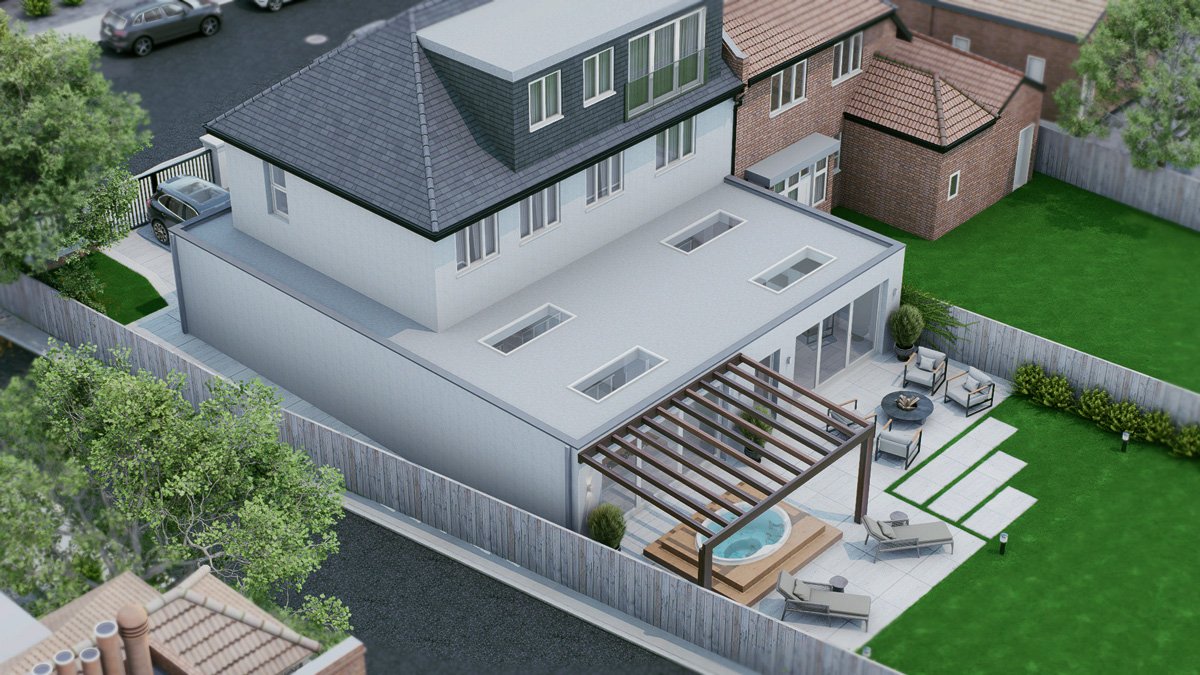
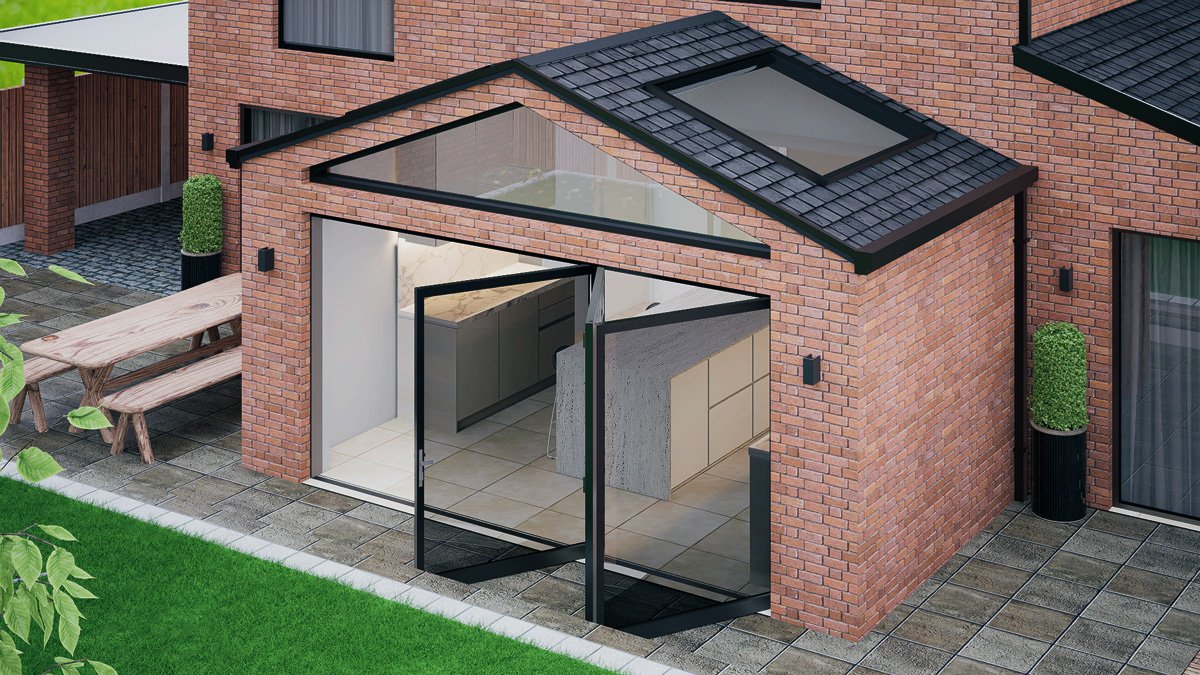
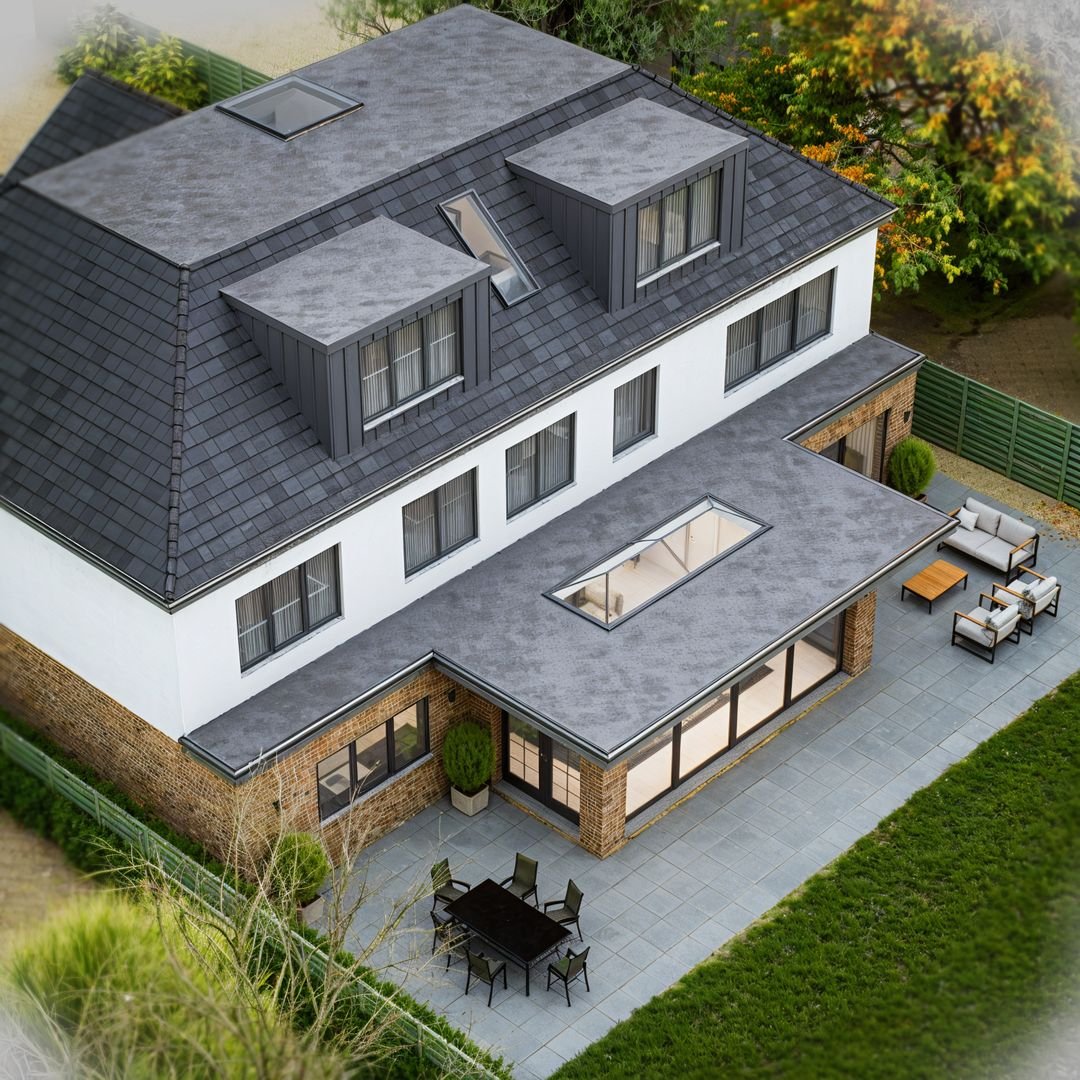
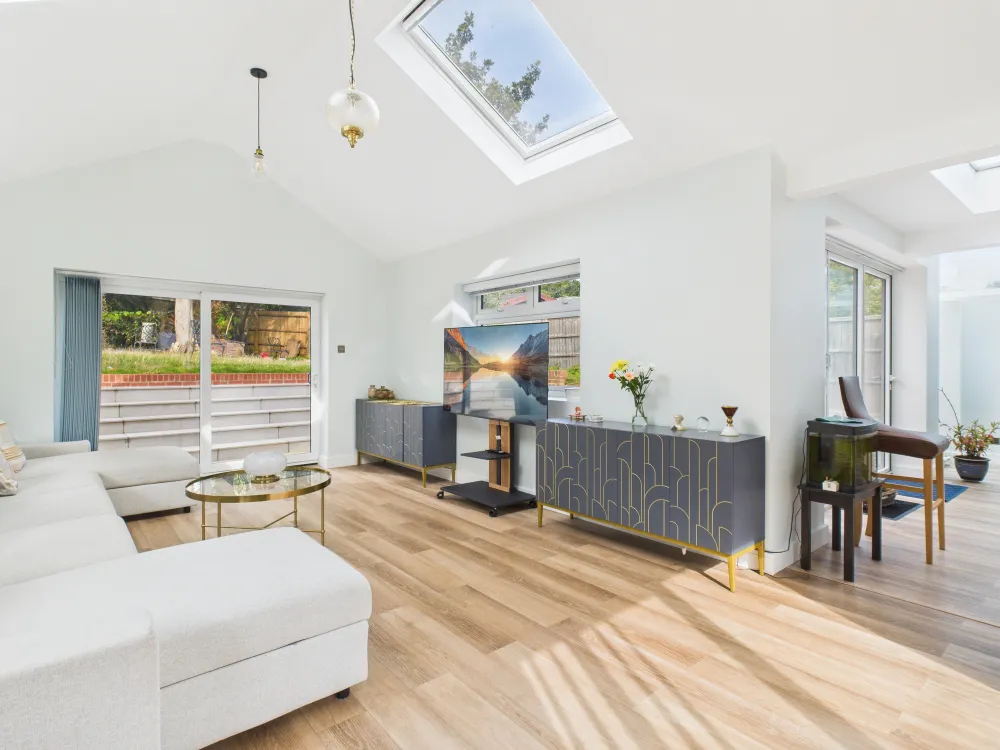
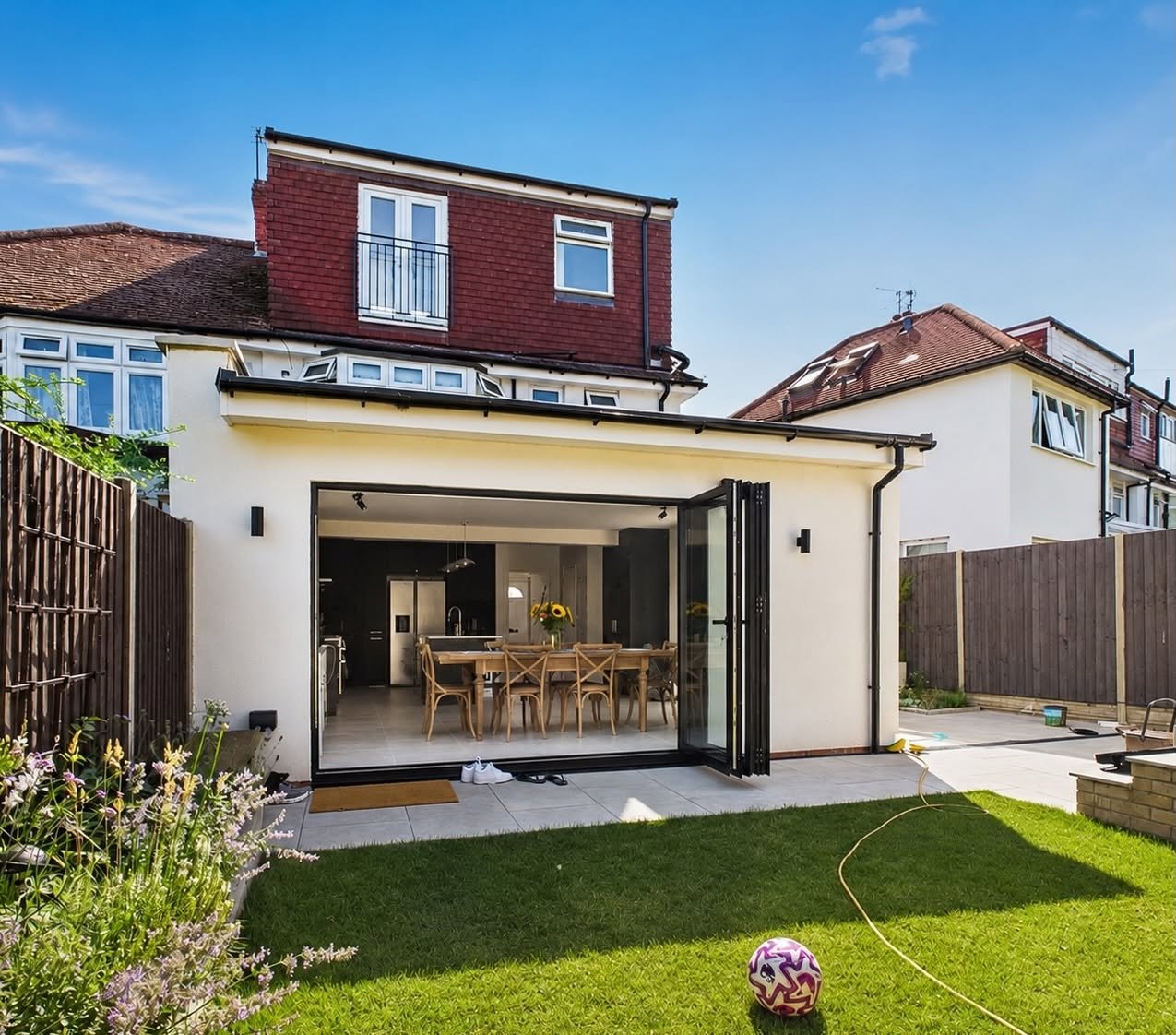
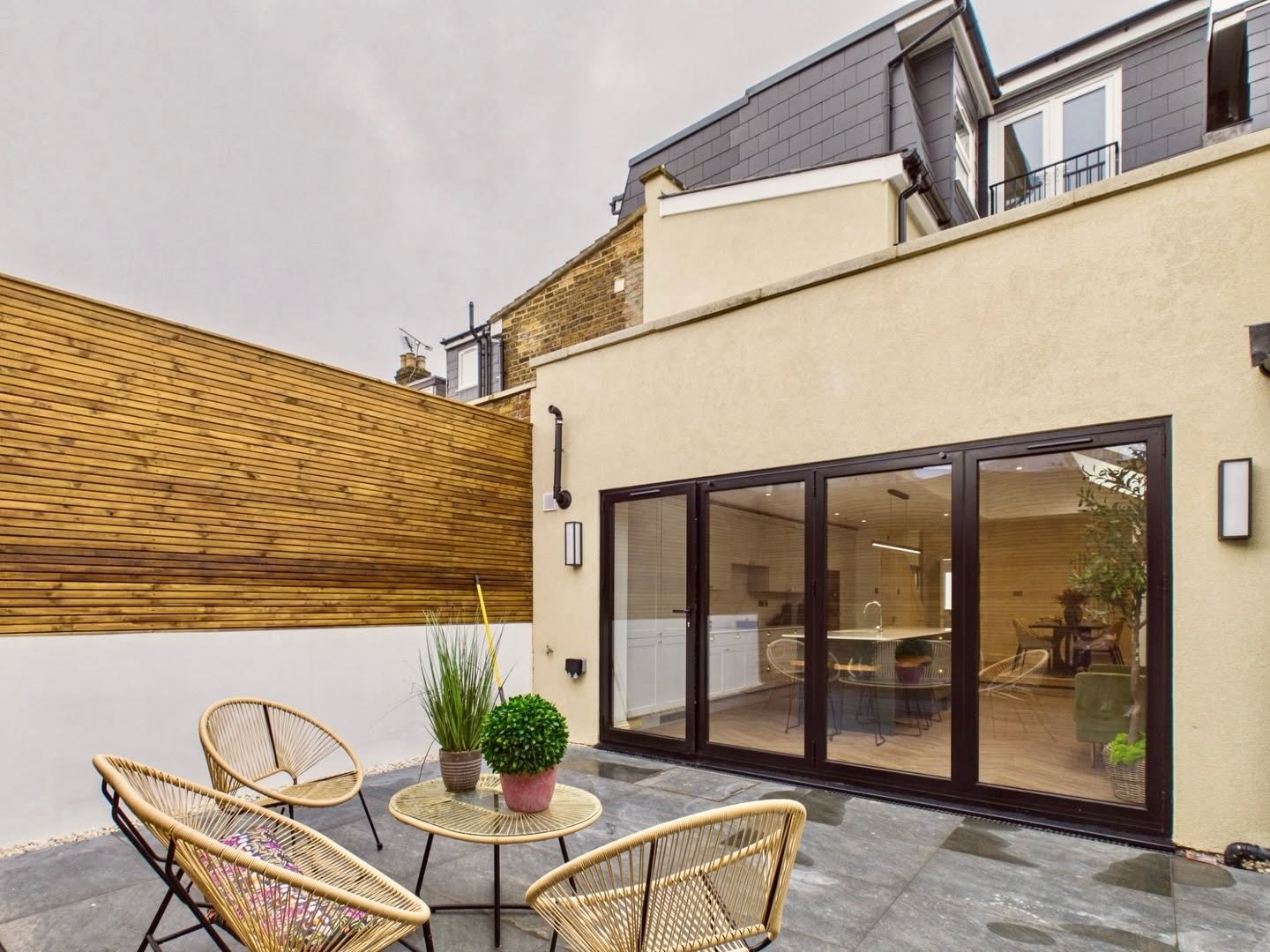
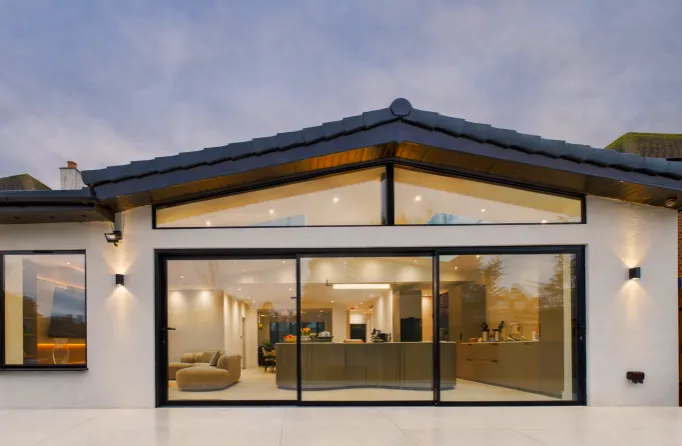
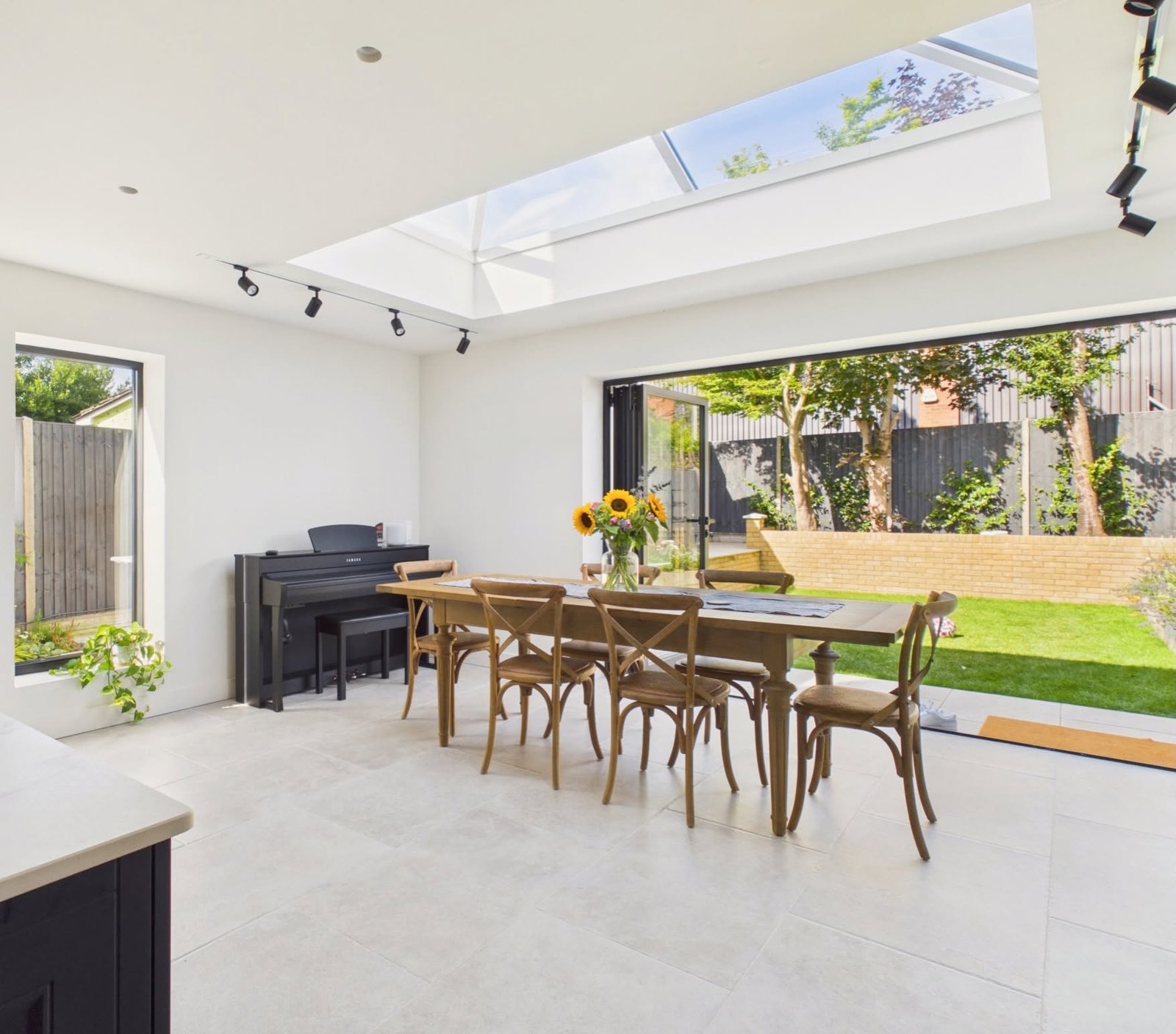
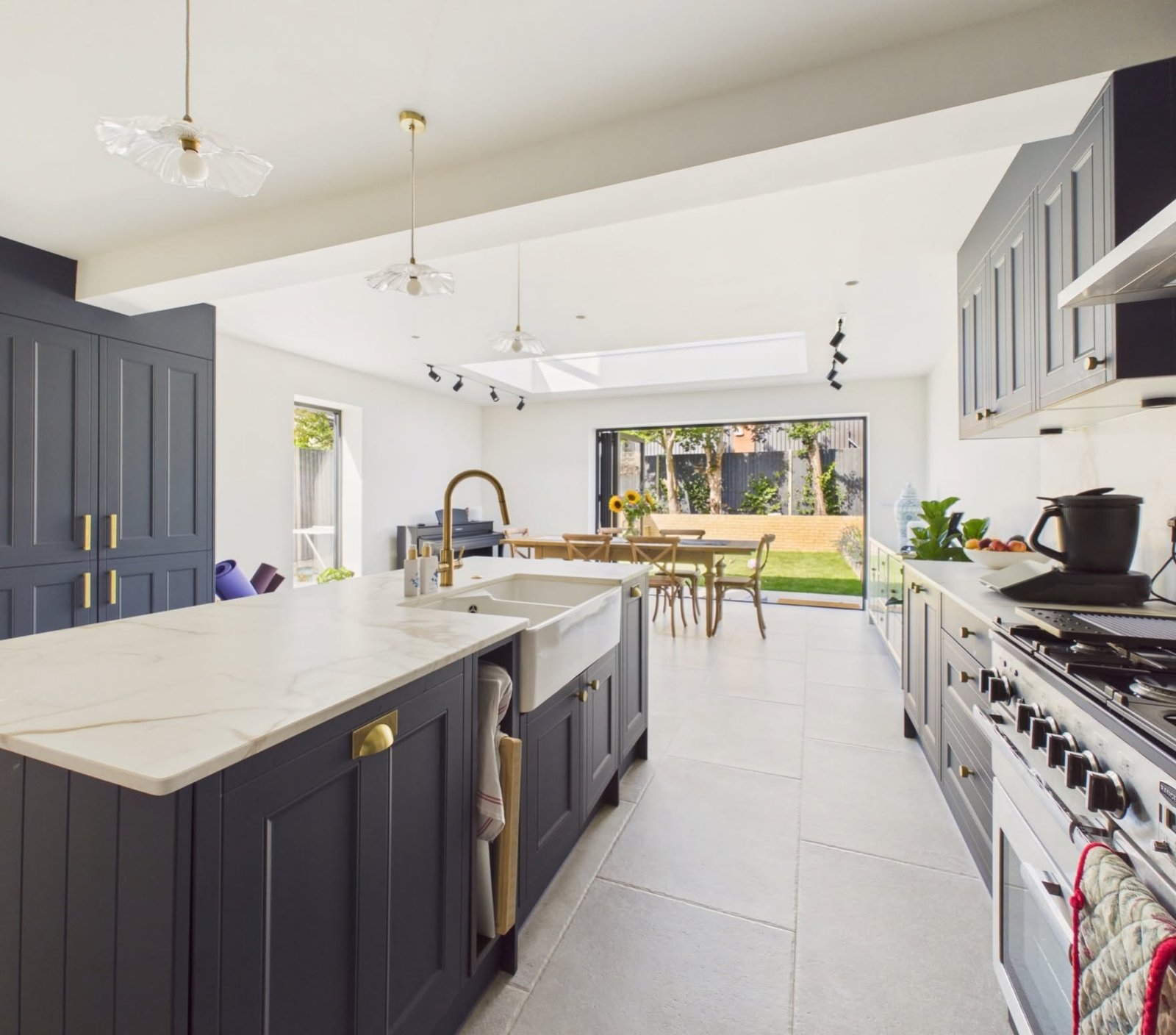
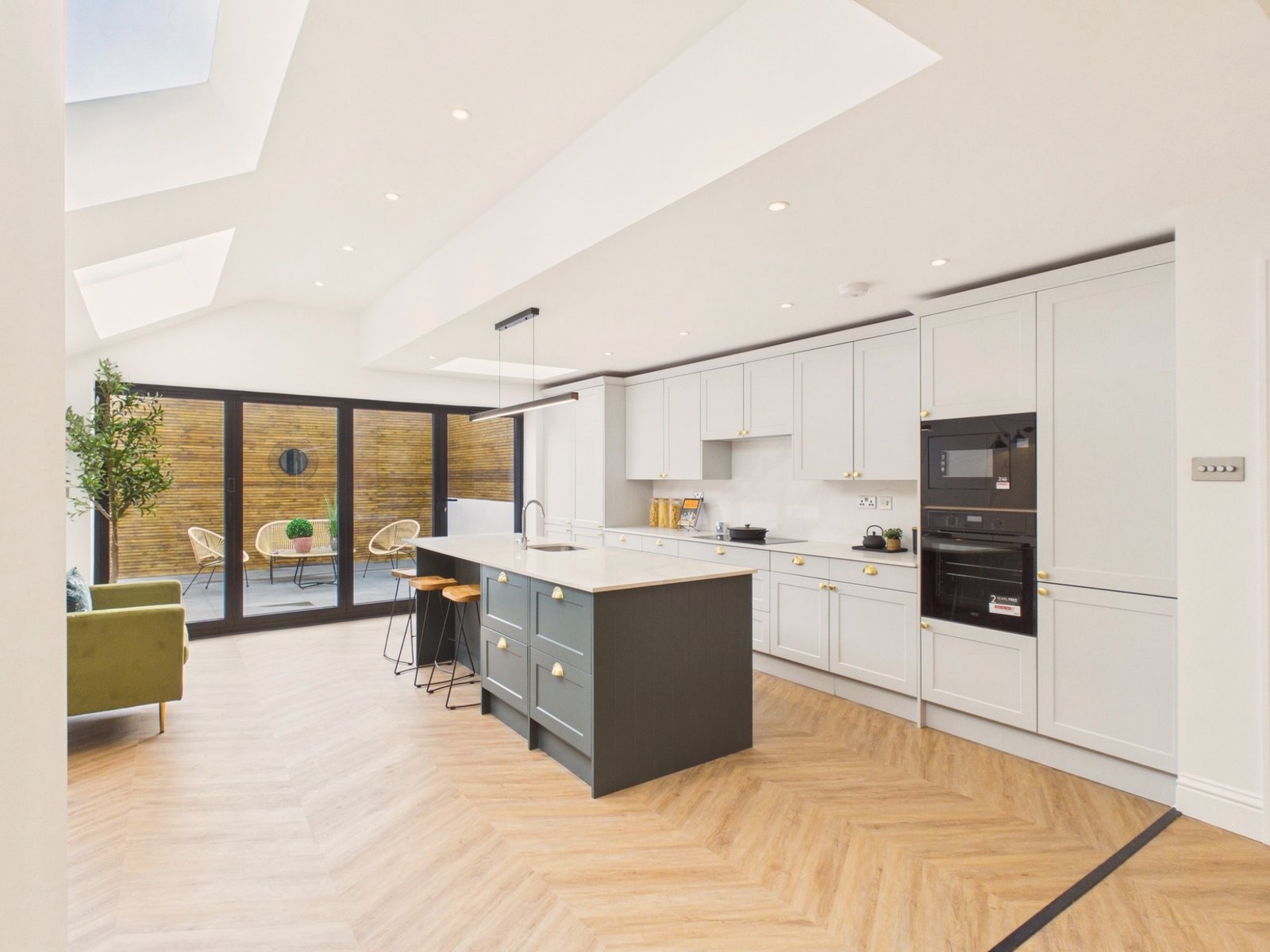
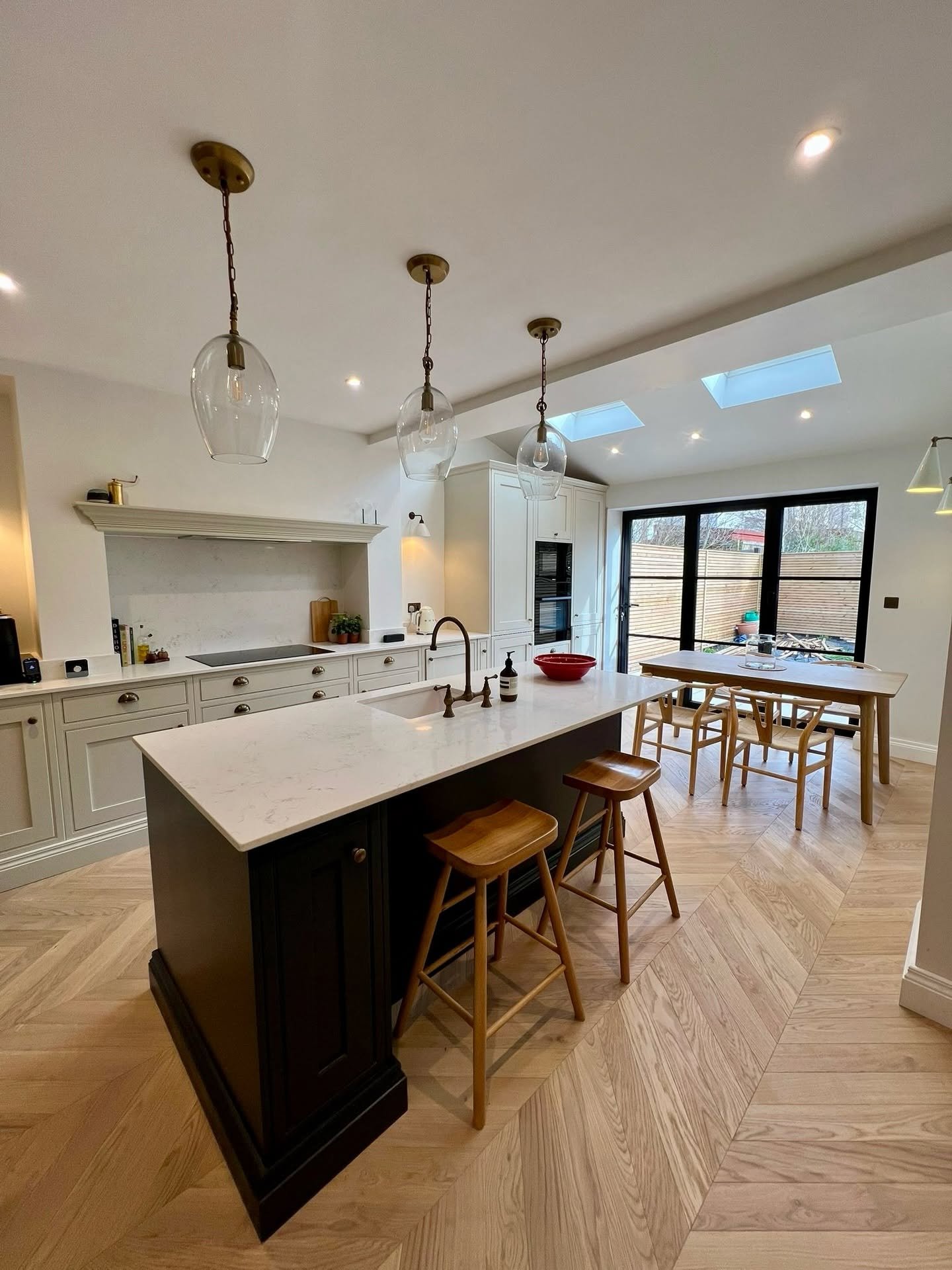
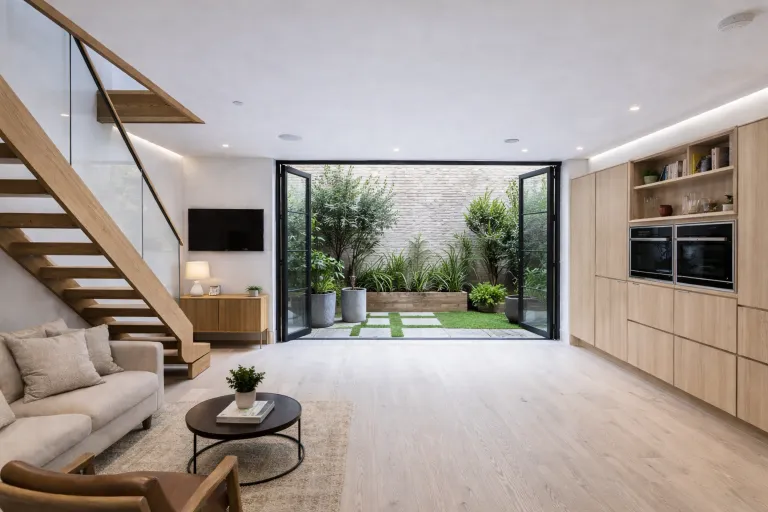
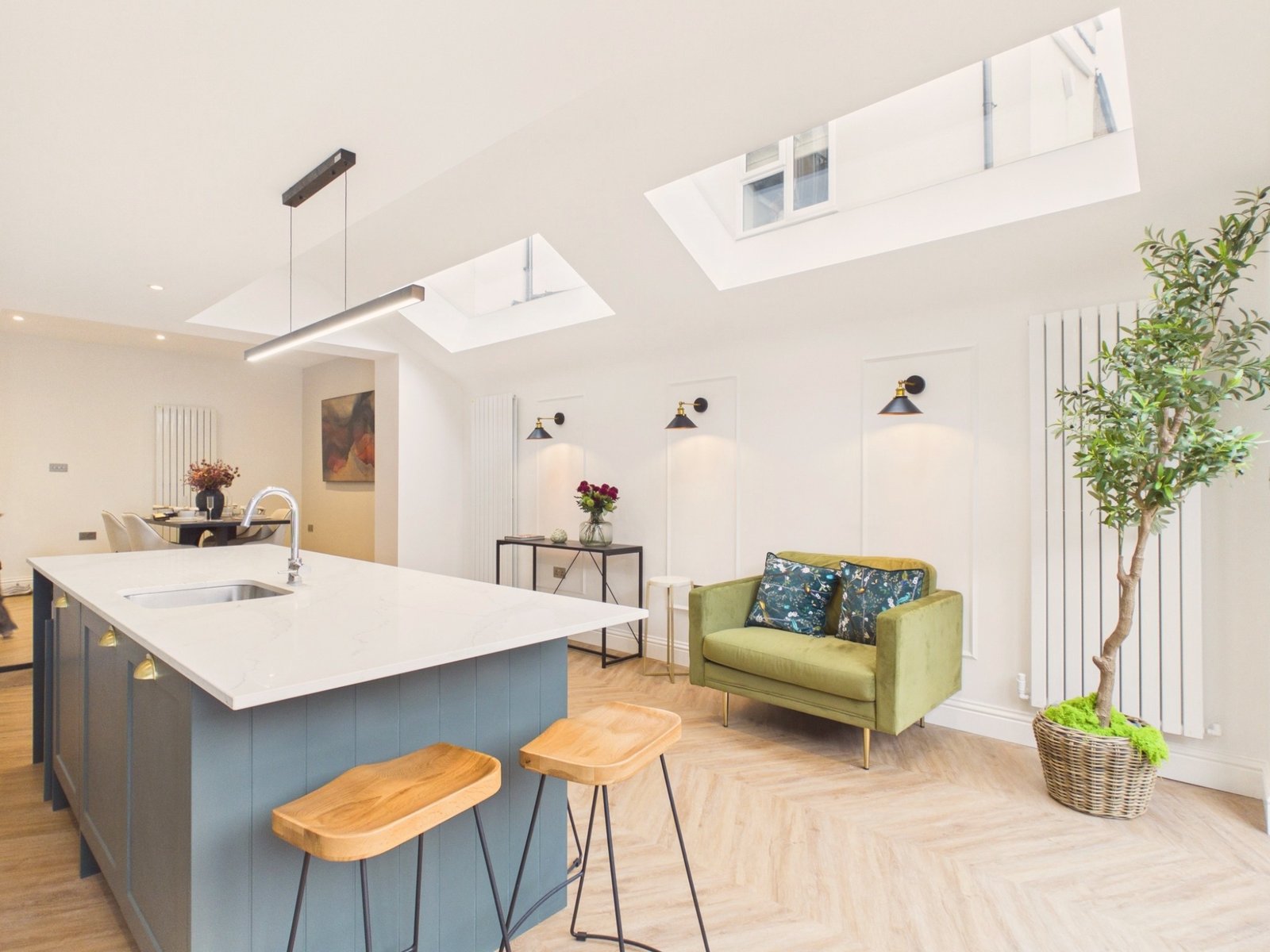
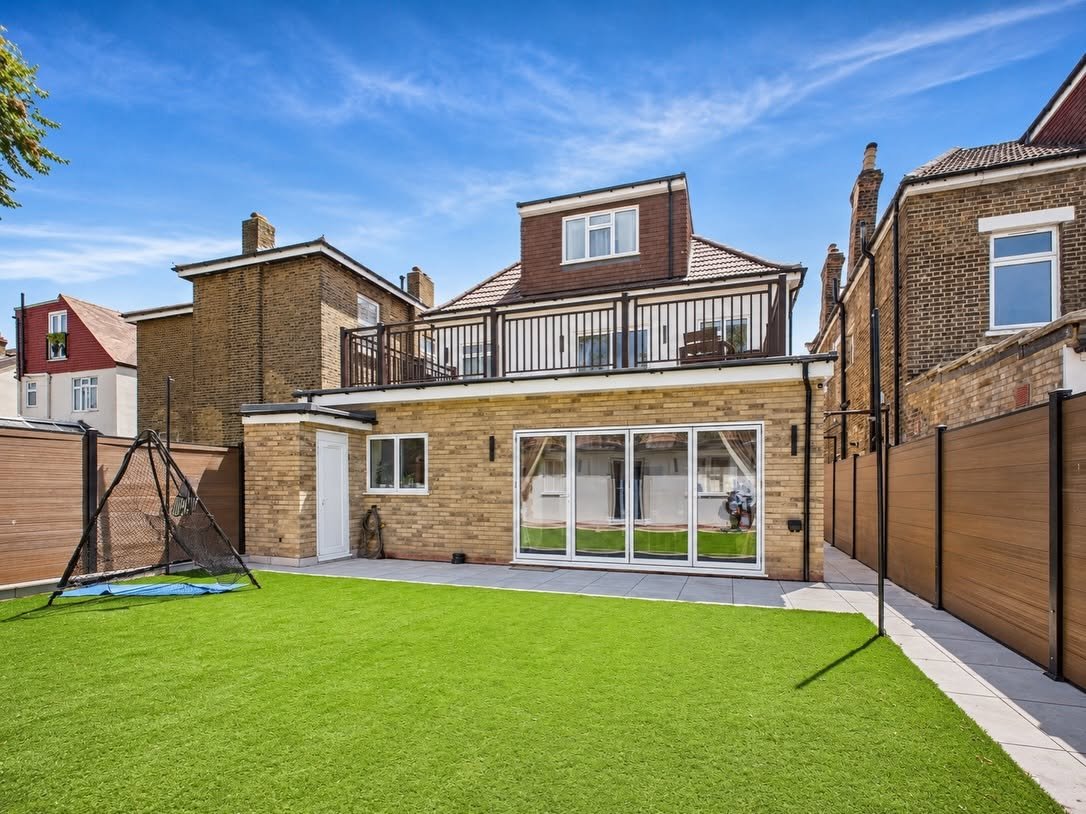
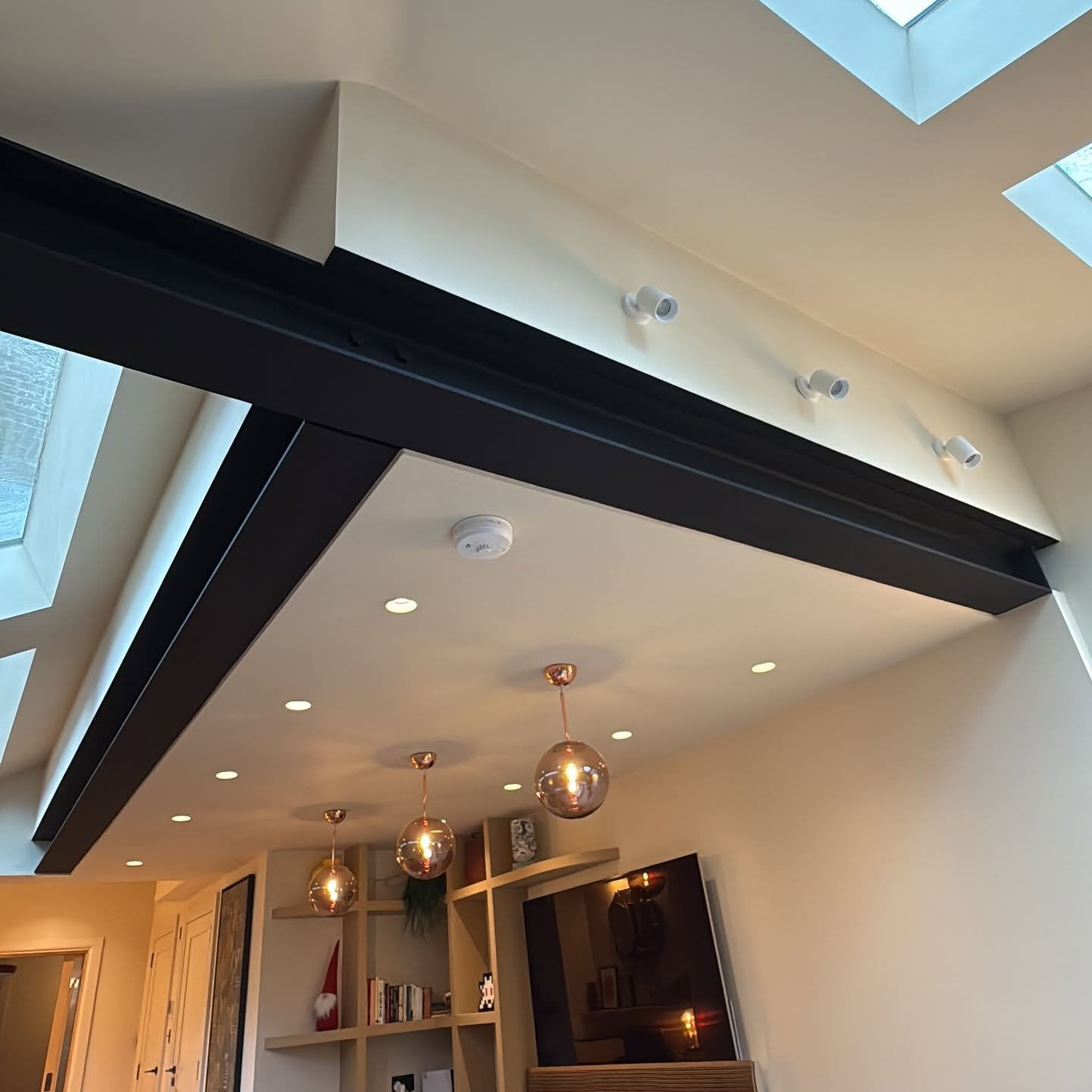
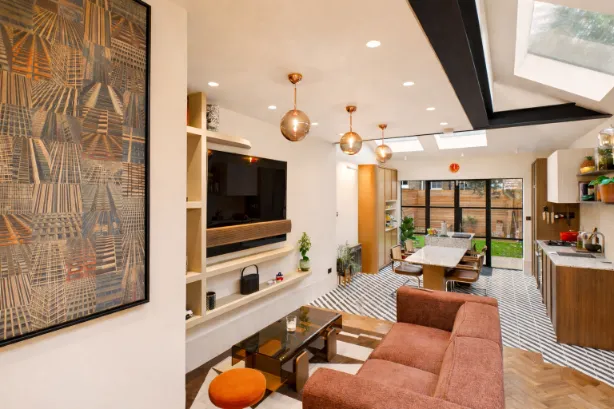
Popular features include bifold or sliding doors that open fully onto the garden, rooflights or skylights to flood the space with natural light, flat or pitched roof designs depending on the character of the property, and open-plan layouts that combine kitchen, dining, and living areas into one connected space. The geometry of the extension, the materials used, and how the internal spaces connect to the garden will all depend on your specific requirements and the constraints of your site.

Our Rear Extension Projects in London

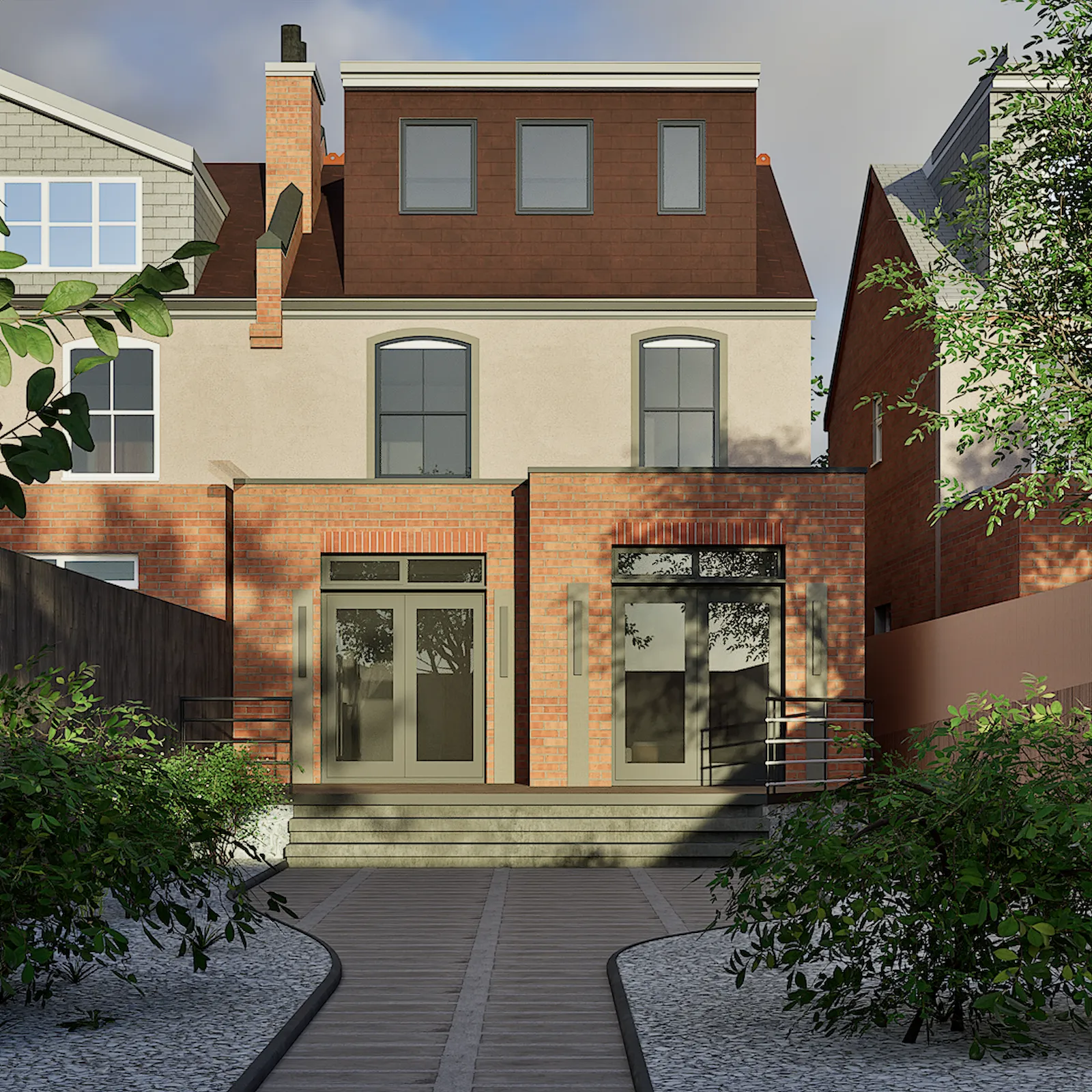
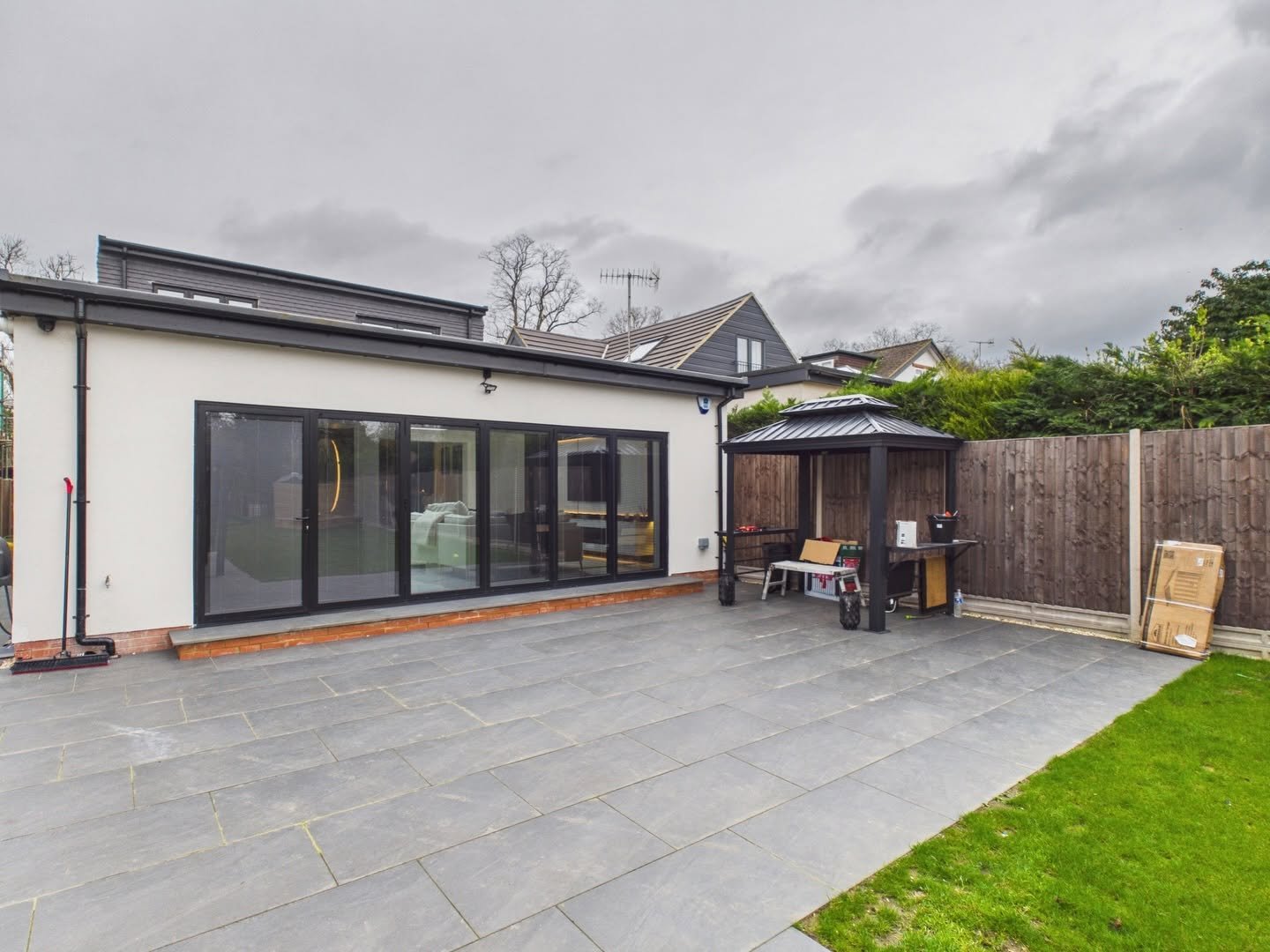
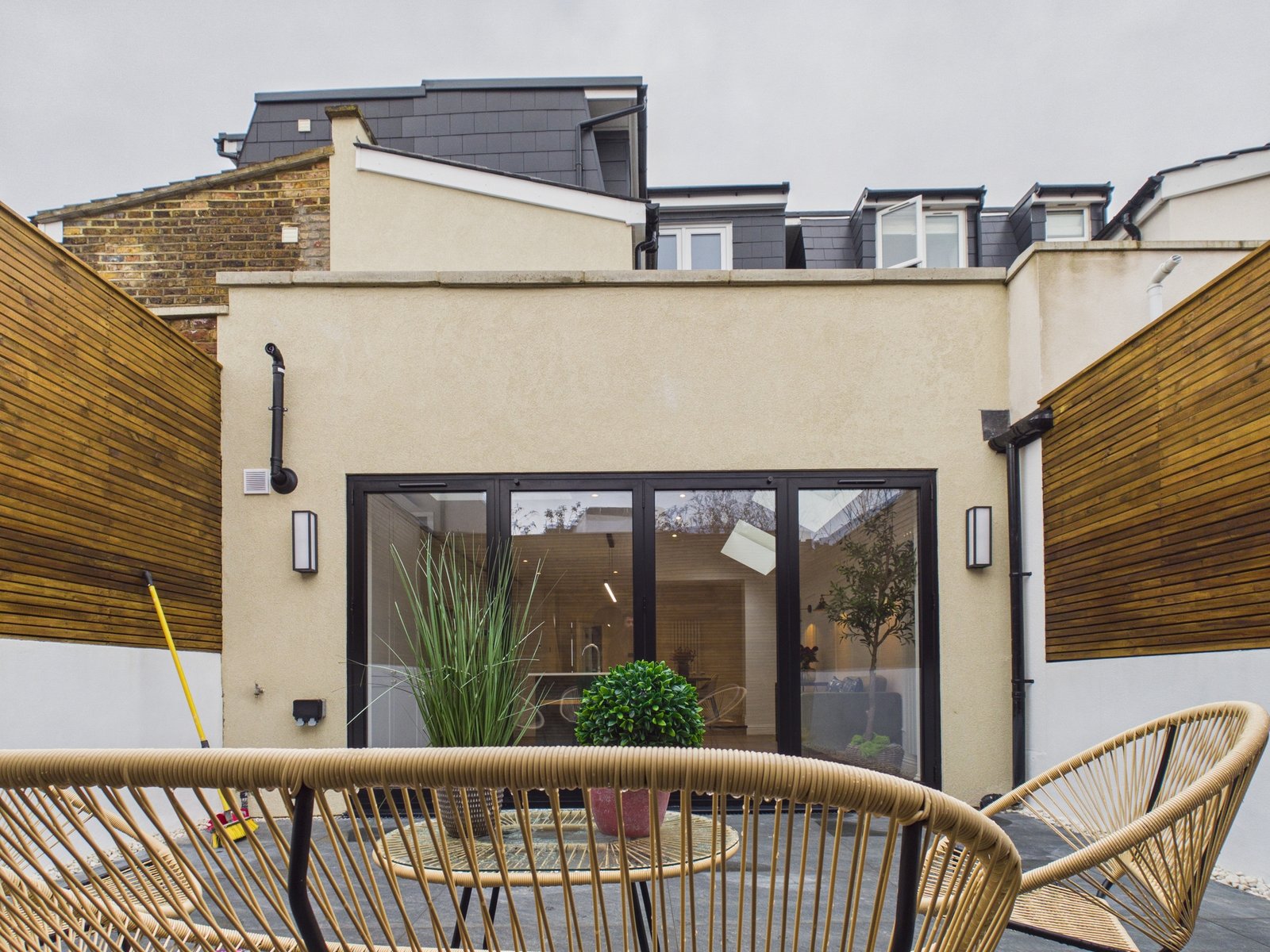
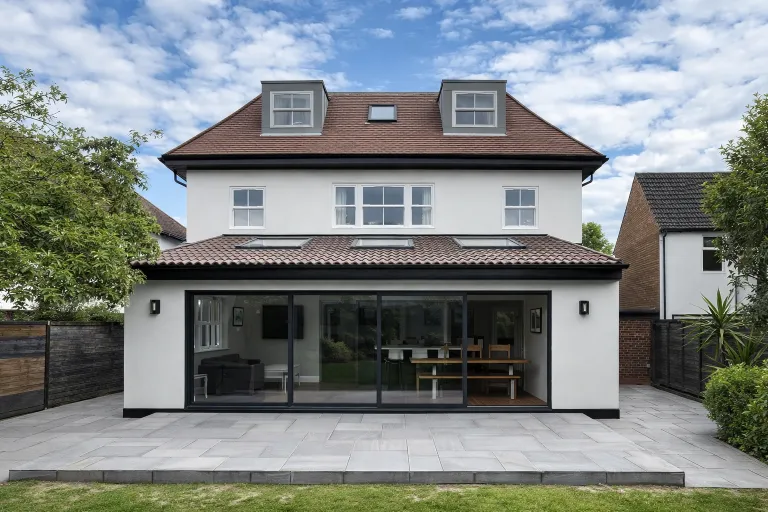
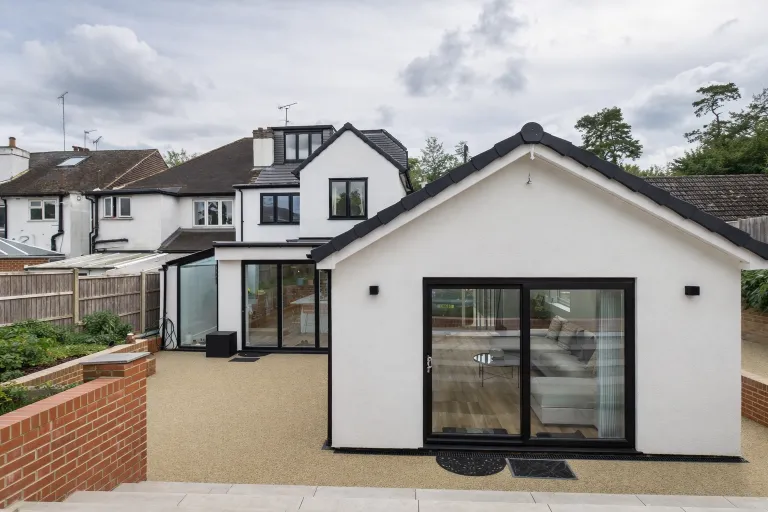
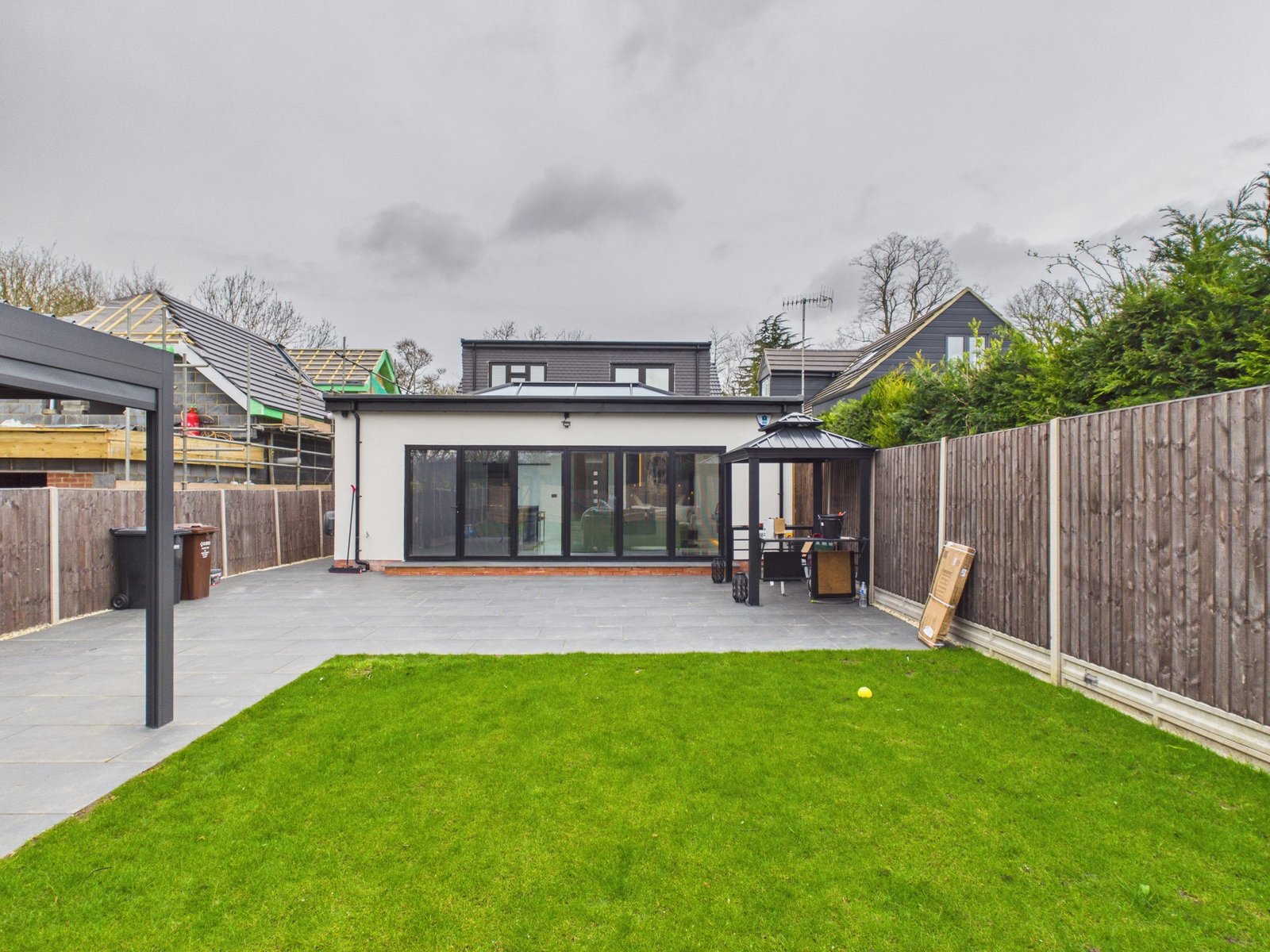
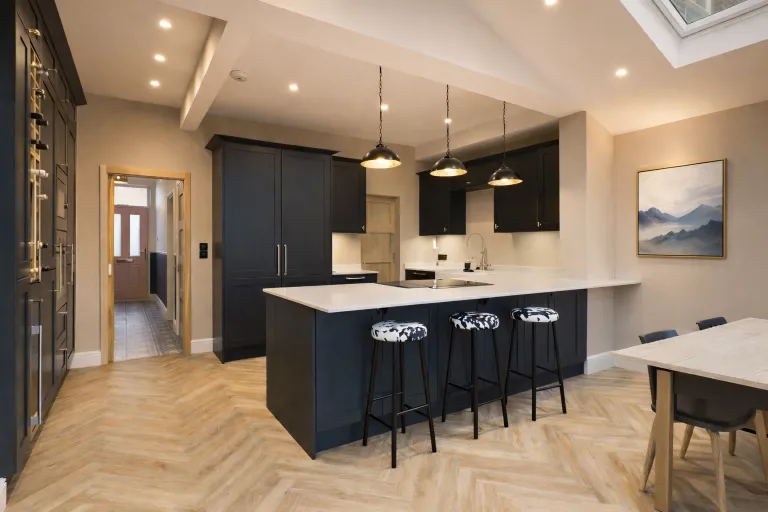
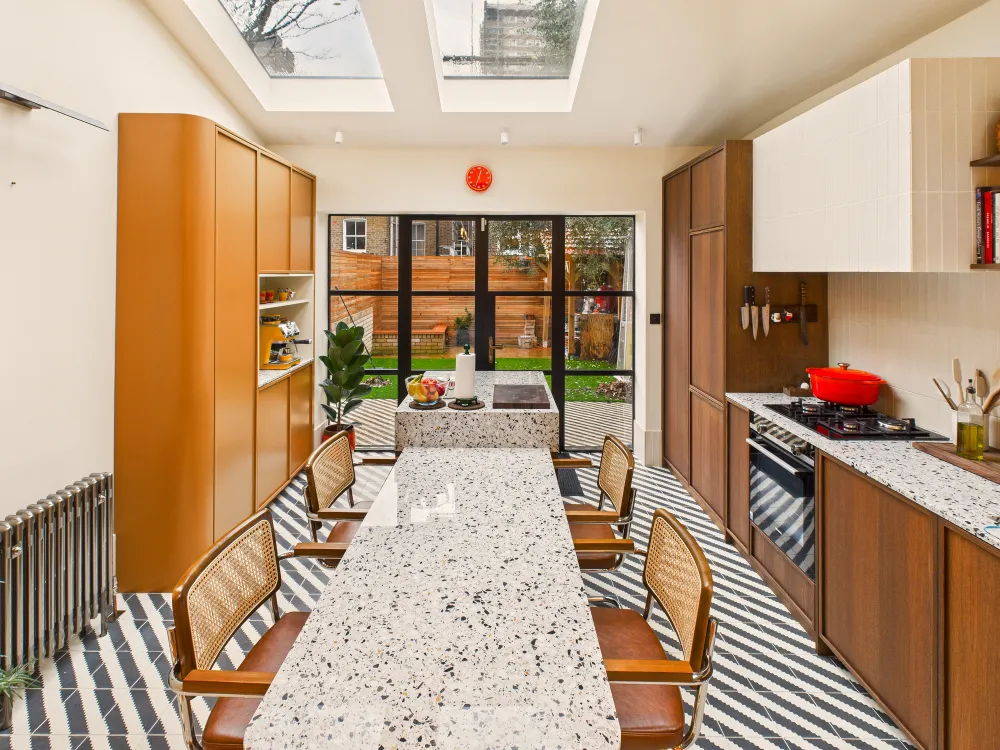
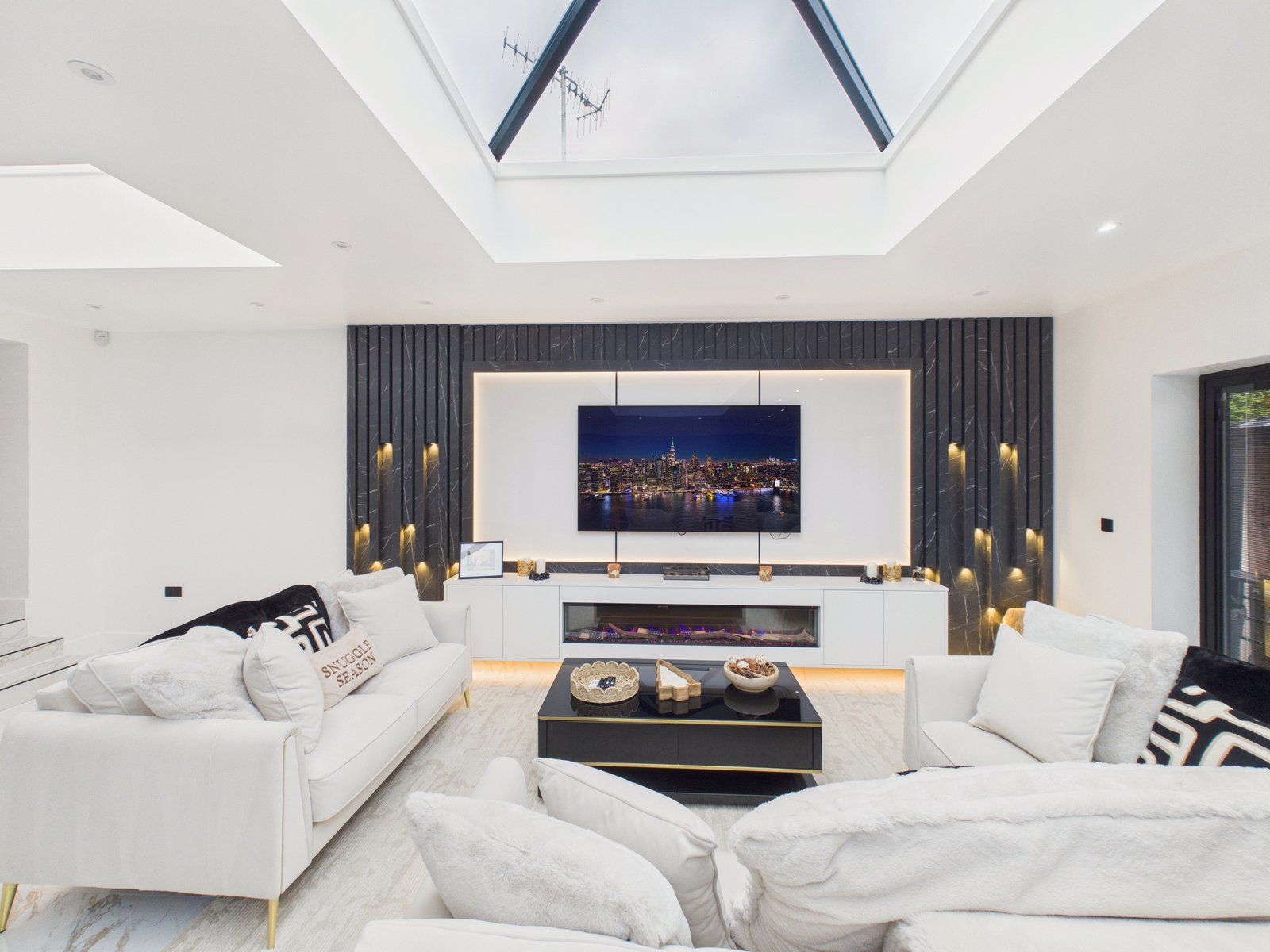
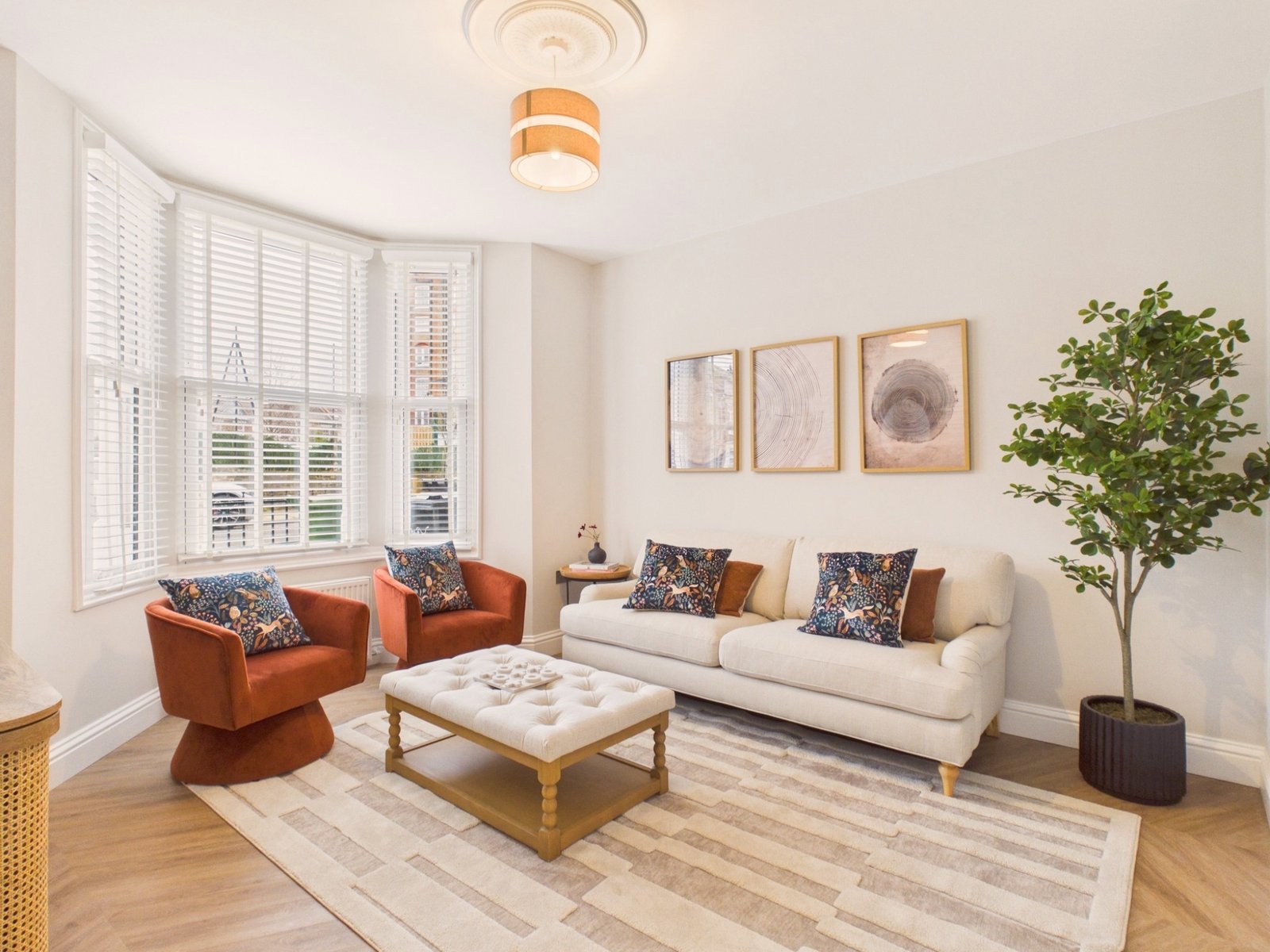
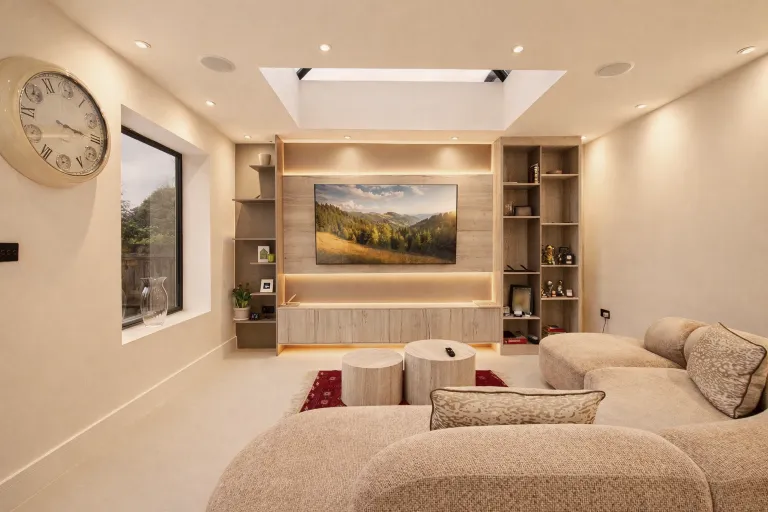
Chiswick, London

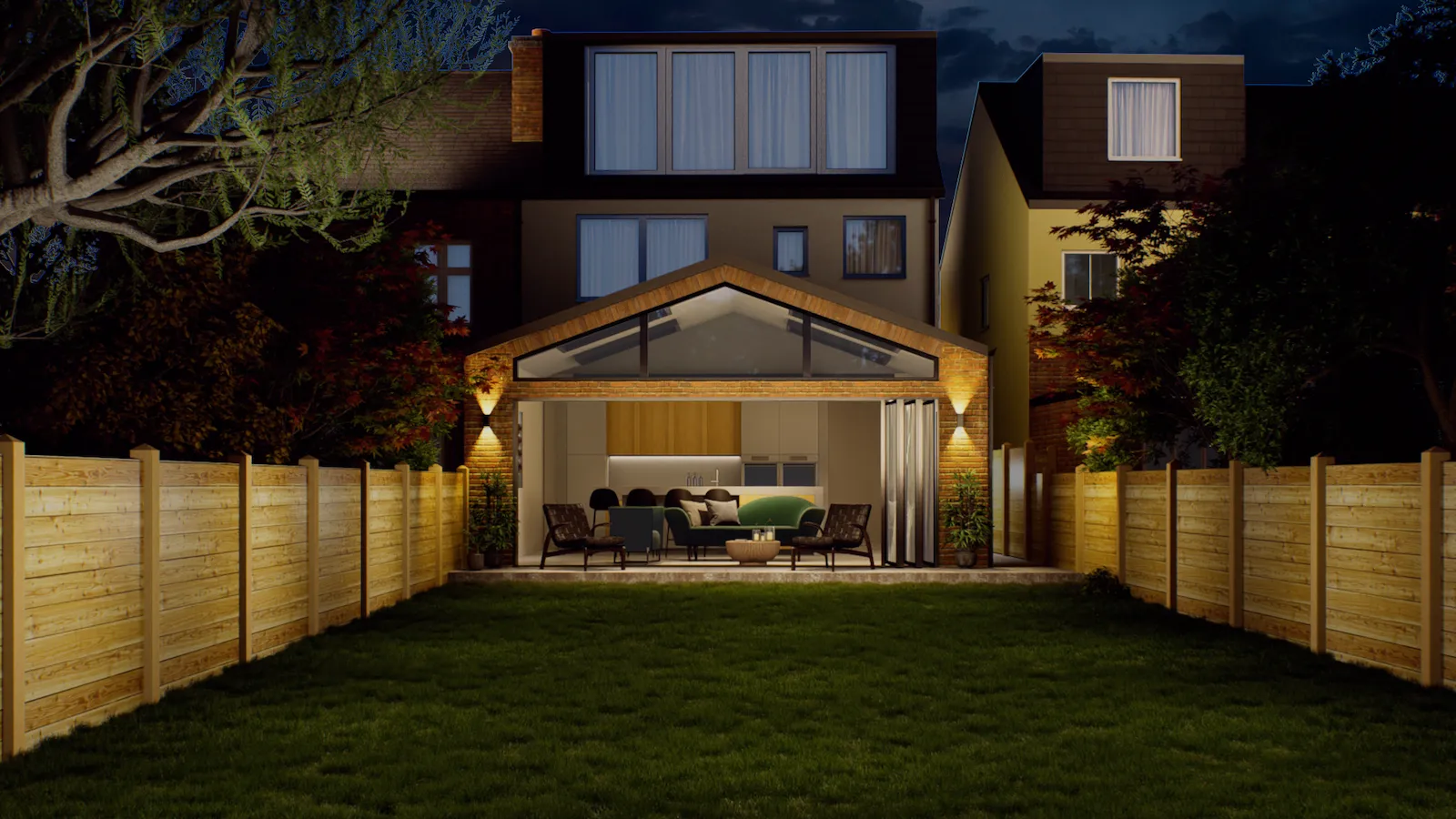
Wimbledon, London

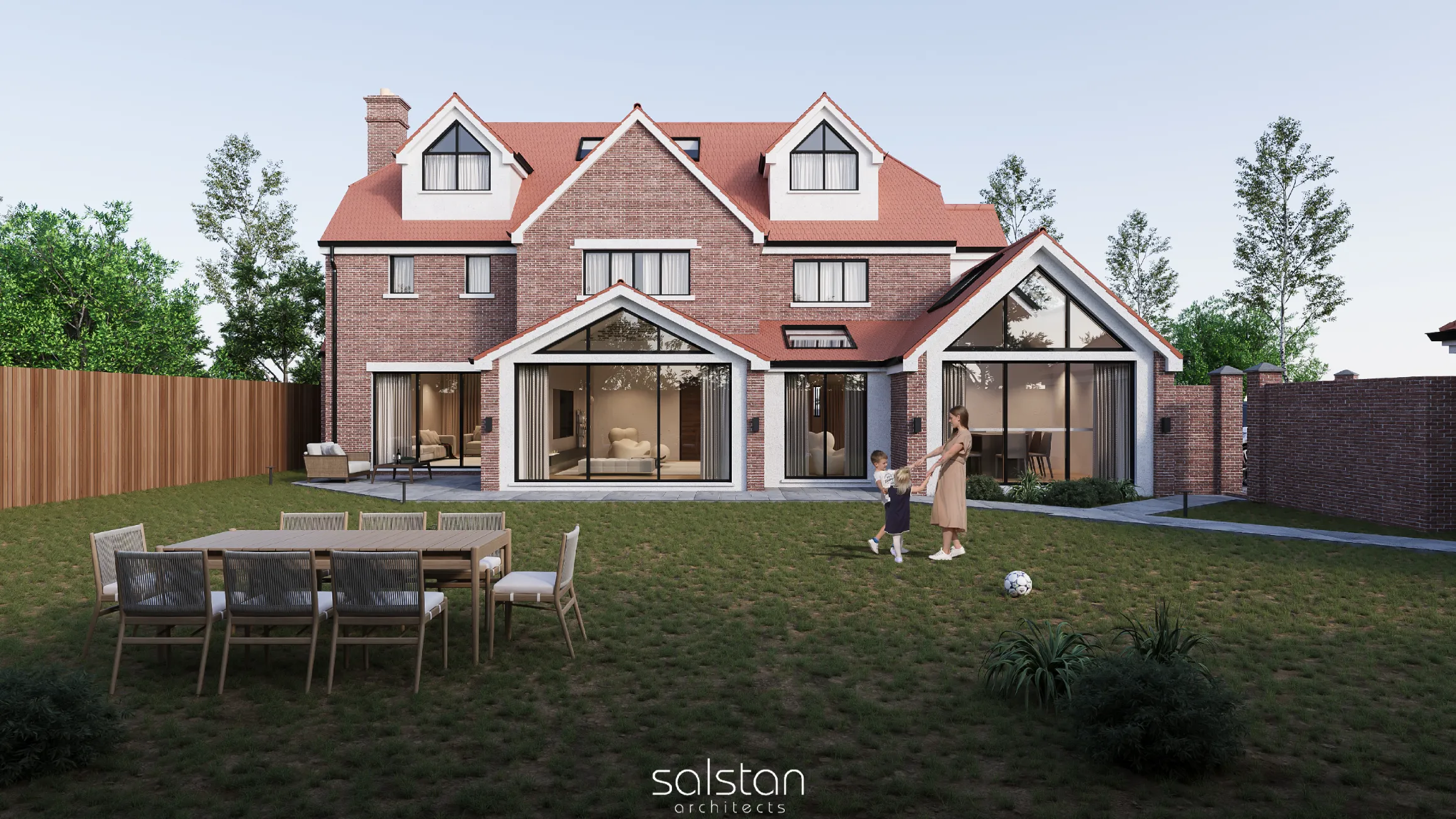
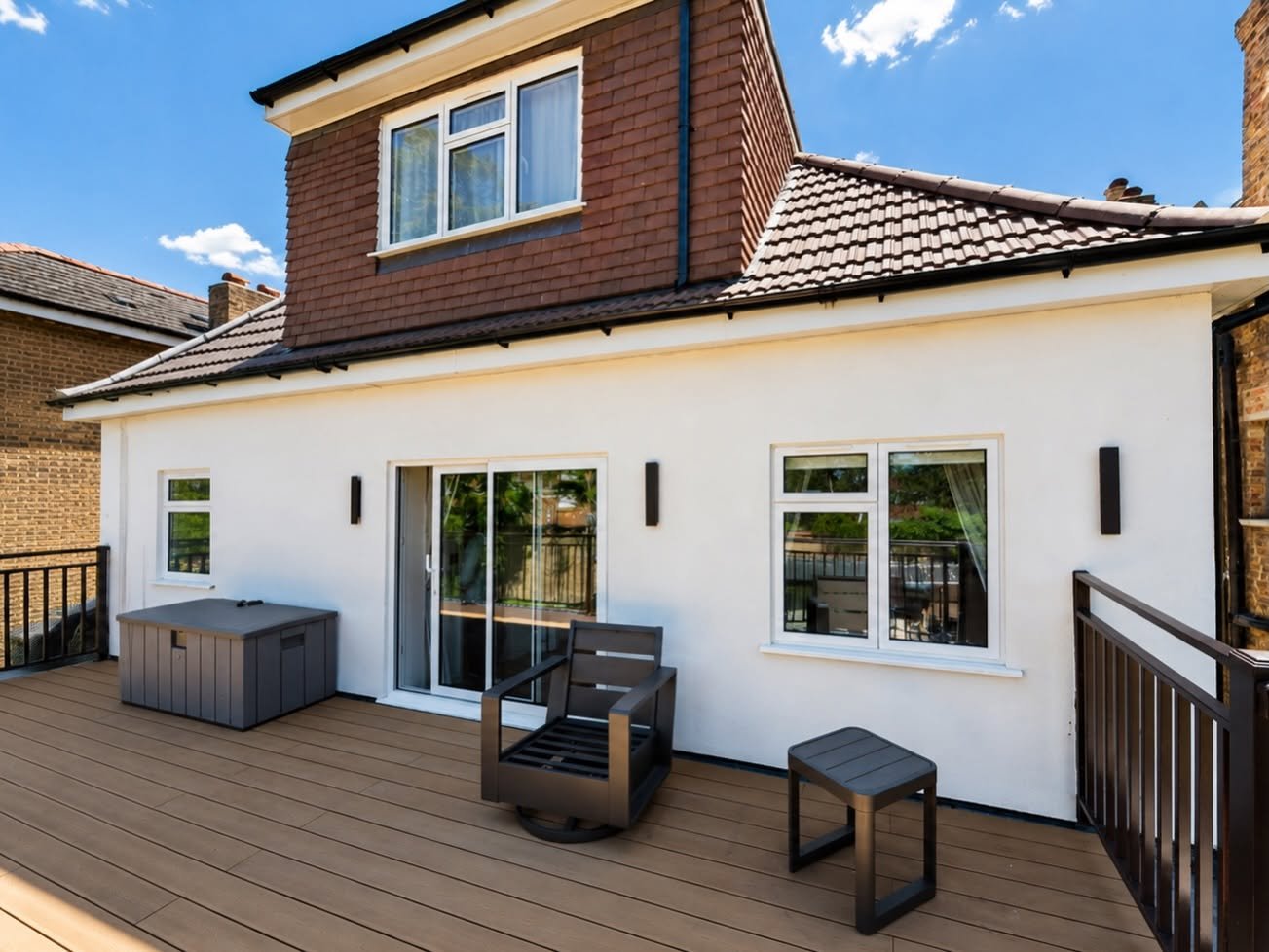
Gerrards Cross, Buckinghamshire

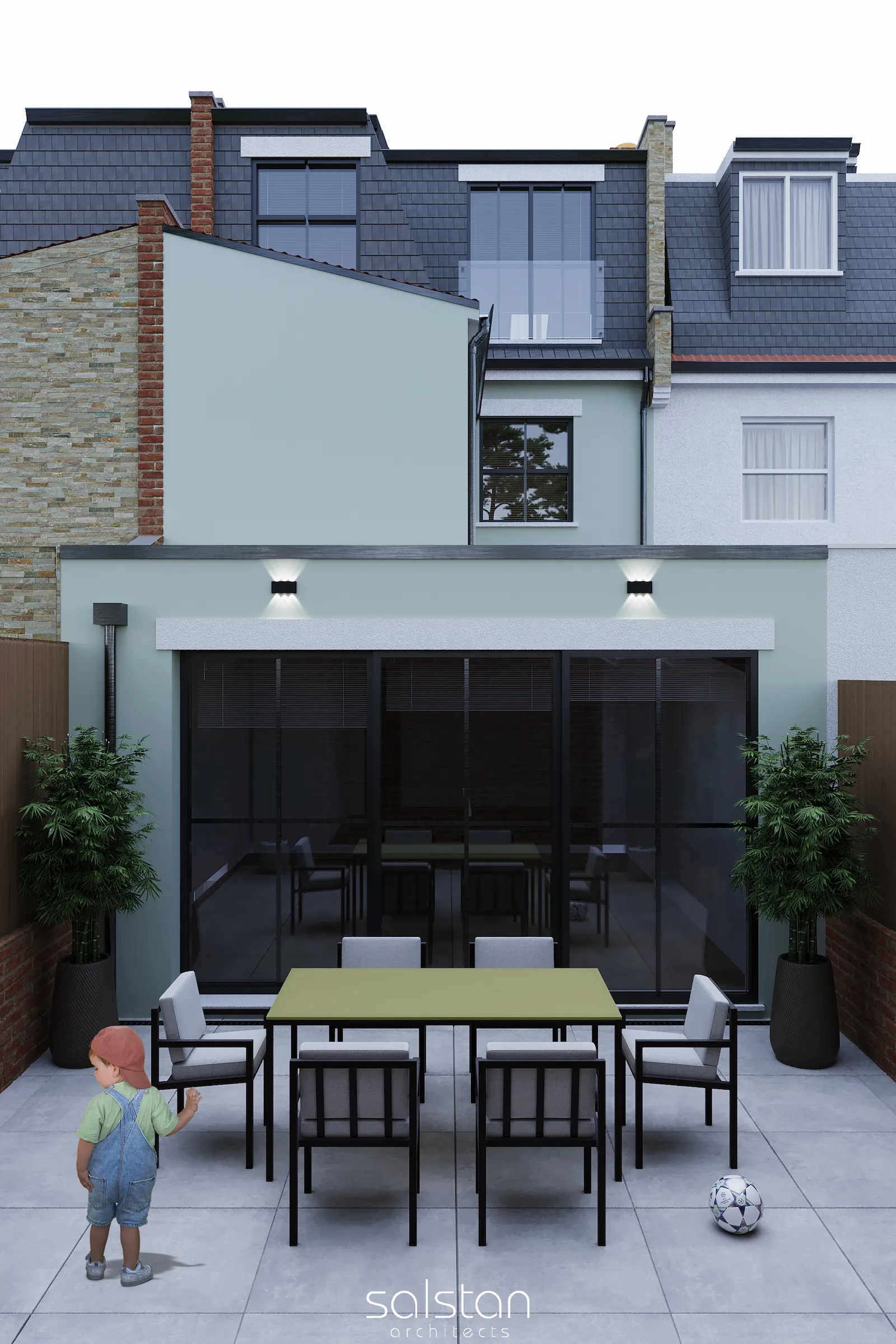
Kensal Rise, London

Why Choose a Rear Extension in London?

A rear house extension is one of the most effective ways to transform how your home functions day to day. It focuses on improving the ground floor, the part of the house where families spend most of their time, by extending into the garden and creating space that feels open, connected, and full of natural light.

For terraced and semi-detached homes across London, existing ground floor layouts can feel narrow, segmented, or disconnected from the garden. A well-designed rear extension opens up the back of the house, improves circulation, and establishes a genuine relationship between your kitchen, dining, and living areas and your outdoor space.

Rear extensions are typically less structurally complex and more straightforward to construct than double-storey or basement projects. Many fall under permitted development, which means no planning application is needed. This can reduce both cost and disruption while still delivering meaningful additional floor space.

When professionally designed and built in line with planning policy and building regulations, a rear extension can:

• Increase usable living space at ground floor level

• Create open-plan kitchen, dining, and living areas

• Enhance natural light and garden access through glazing

• Add strong market appeal and long-term resale value
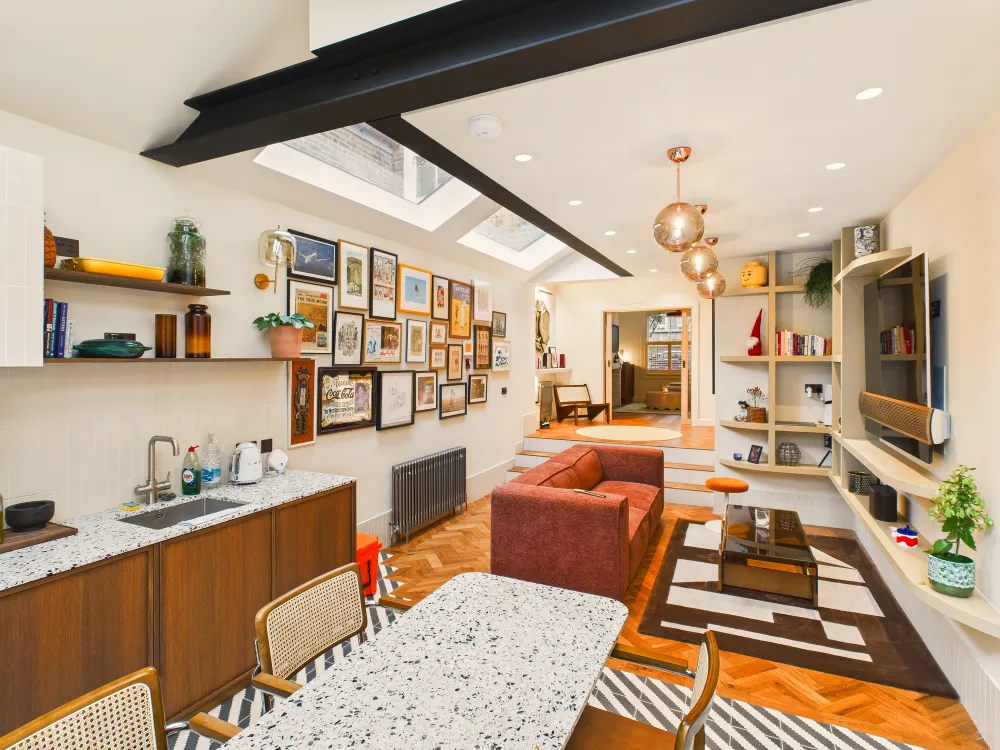
For many London homeowners, a rear extension represents the ideal balance between investment, practicality, and long-term value. It is the single most popular home improvement project in the capital for good reason.

rear house extension london salstan architects

Our Featured Works
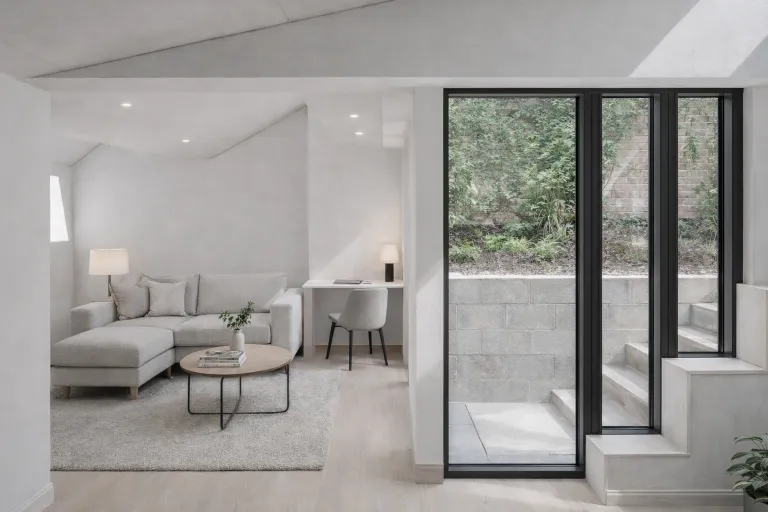
rear house extension london salstan architects

Our Approach to Rear Extensions at Salstan Architecture

At Salstan Architecture, our approach to rear extensions is centred on creating ground floor space that feels seamless, bright, and genuinely practical for everyday living. We begin by understanding how you use your home now and what you want the rear extension to achieve — whether that is a larger open-plan kitchen, a better connection to the garden, or simply more room for a growing family. Every rear extension we design starts with a clear brief, a thorough site assessment, and an honest conversation about what the space can deliver within your budget and planning constraints.

We design every rear house extension with natural light and proportion in mind. This includes careful consideration of glazing, roof form, and ceiling height to avoid dark or compressed areas — a common issue when extending to the rear. We ensure the extension integrates with the existing property through appropriate scale, materials, and detailing, so the result feels like a natural part of the home rather than a bolt-on addition. Whether the rear extension is a modest infill or a full-width build across the back of the house, every element is considered from both inside and out.

From planning and Building Regulations through to site delivery, we keep the project coordinated and controlled, with clear sequencing, quality checks at key stages, and consistent communication throughout. The result is a rear extension that improves day-to-day living, adds real value to your property, and is built to last — without the stress of managing it all yourself.

Our Process Explained in Six Easy Steps

Step 1 - Your 3D Site Survey​

An appointed surveyor will come around for a full measured survey of your property. They will also note down all your desired requirements for your proposal.​

Step 2 - Drawings Initiated​

The project is allocated to one of our architectural designers who will design your project from the ground up, taking into account all your needs.​

Step 3 - You Review It​

We promise you will have your first draft within 10 working days unless agreed otherwise. You send your designs and get back to us with any changes required. We will then wrap up your drawing to be ready for submission.​

Step 4 - Submission & Decision

Your plans will be submitted strategically for swift approval by the council. Expect a decision in 6-8 weeks. We’ll handle any required changes for free!

Step 5 - Technical Design

Once plans are approved, our engineers manage design and regulatory compliance. Get construction quotes from us & compare with others.

Step 6 - Construction

If you decide to move forward with our services, we will promptly arrange a detailed, comprehensive consultation to discuss and finalize your specific requirements, ensuring everything aligns perfectly with your vision.

What Our Clients Say About Us

Frequently Asked Questions About Rear Extensions in London

In many cases, no. A rear extension can often be built under permitted development rights, which means you may not need a full planning application. However, this depends on a number of factors including the size of the extension, how far it projects from the original rear wall, the height of the structure, and whether any previous extensions or outbuildings have already used up your permitted development allowance. In conservation areas or with listed buildings, additional restrictions apply. We assess each case at the start of the project to give you clear, site-specific guidance.

Design and planning typically take around 2–3 months, depending on the complexity of the project and whether a full planning application is required. Build times for a rear extension usually range from 8 to 16 weeks once on site, though this varies based on the scale of the works, structural requirements, and internal fit-out. We provide a clear programme from the outset so you know what to expect at every stage.

Under permitted development, a single storey rear extension can project up to 3 metres from the original rear wall for an attached property, or up to 4 metres for a detached house. Through a prior approval process (known as a Larger Home Extension), these limits can increase to 6 metres and 8 metres respectively. Extensions beyond these limits, or those that do not meet other permitted development criteria, will require a full planning application. We review your specific site conditions and advise on the best route forward.

The cost of a rear extension depends on several factors, including the footprint, materials, structural complexity, and internal specification. In London, rear extensions typically range from around £2,000 to £3,500 per square metre for construction, with design and planning fees on top. We offer early budget guidance based on your site and goals so you can make informed decisions before committing. Every project is different, so an accurate estimate starts with a clear brief and a site survey.

Yes. A well-designed rear extension is one of the most effective ways to add both space and value to a London property. By improving the ground floor layout — typically creating a larger kitchen-diner or open-plan living area with a strong connection to the garden — a rear extension can significantly increase your home’s market appeal and overall value. The key is ensuring the design is practical, well-proportioned, and finished to a high standard.

Who we are working with

"